
Facial Cupping TCM: How This Traditional Technique Supports Skin Health and Circulation

Facial Cupping TCM: A Natural Approach to Skin Health
In Traditional Chinese Medicine, the skin reflects the internal state of the body. Concerns such as puffiness, dullness, and fine lines indicate imbalances in Qi, Blood, and fluid movement.
Facial Cupping TCM is a technique designed to restore proper circulation, support lymphatic flow, and improve the overall function of the skin. This approach does not isolate the face. It works with the body to correct the underlying patterns that contribute to visible concerns.
What Is Facial Cupping?
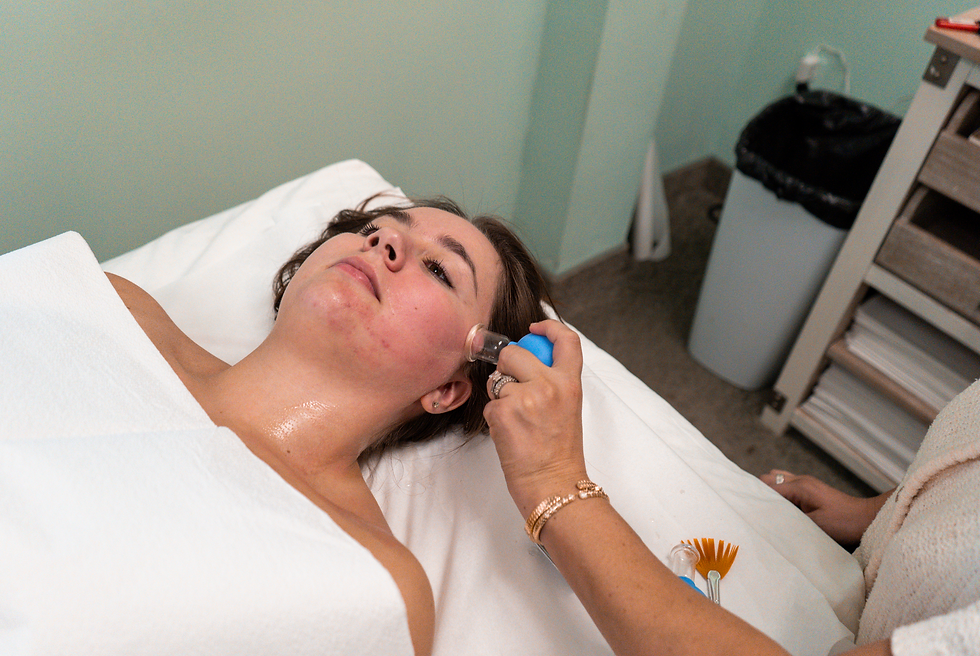
Facial cupping is a gentle therapy that uses small suction cups to stimulate the skin and underlying tissues. Unlike body cupping, facial cupping uses lighter pressure and continuous movement rather than stationary placement.
From a biomedical perspective, the suction increases circulation and promotes lymphatic drainage. From a TCM perspective, it moves stagnant Qi and Blood while resolving fluid accumulation.
How Facial Cupping TCM Works
Facial Cupping TCM is based on the principle that stagnation leads to dysfunction. When Qi, Blood, or fluids do not move efficiently, the skin may present with:
• Puffiness and fluid retention
• Dull or uneven complexion
• Fine lines and reduced elasticity
• Tension held in facial muscles
The gentle suction created by the cups lifts the tissue and increases circulation. This process supports the delivery of oxygen and nutrients while assisting in the removal of metabolic waste.
At the same time, lymphatic movement is stimulated, helping reduce swelling and improve contour. In TCM terms, this restores the proper flow of Qi and Blood, allowing the skin to function more efficiently.
Benefits of Facial Cupping TCM
Facial Cupping TCM offers both cosmetic and functional improvements by supporting the body’s natural processes.
Improves Circulation
Increased blood flow delivers essential nutrients to the skin, supporting a healthier and more vibrant appearance.
Reduces Puffiness and Fluid Retention
By stimulating lymphatic drainage, facial cupping helps reduce swelling and supports natural detoxification pathways.
Softens Fine Lines and Improves Elasticity
Improved circulation and tissue stimulation support collagen production and skin firmness.
Releases Muscle Tension
Facial muscles hold tension that contributes to lines and tightness. Cupping helps relax these areas and improve mobility.
Supports Qi and Blood Flow
From a TCM perspective, this treatment corrects stagnation, which is often the root cause of visible skin concerns.
How Facial Cupping Is Done Effectively
Proper technique is essential to ensure results and maintain skin integrity.
• The skin is prepared with oil or serum to allow smooth movement of the cups
• Small cups are applied with gentle suction
• Cups are continuously glided across the face, never left in one place
• Movements follow lymphatic pathways to support drainage
• Pressure is controlled to avoid excessive stimulation or bruising
Consistency is key. Treatments are most effective when performed regularly and in combination with other TCM therapies such as acupuncture.
From a TCM standpoint, treatments should support balance. Excessive or aggressive cupping disrupts rather than restores.

Facial Cupping TCM vs Conventional Treatments
Facial Cupping TCM does not rely on injections or synthetic substances. It enhances the body’s natural ability to circulate, detoxify, and regenerate.
This approach focuses on long-term skin health rather than temporary correction. The result is improved function, not just appearance.
Scientific References
• Al-Bedah, A. M., et al. “The Medical Perspective of Cupping Therapy.” Journal of Traditional and Complementary Medicine, 2019.
• Cao, H., et al. “Cupping Therapy for Treating Pain: A Systematic Review.” PLoS One, 2012.
• Kim, J. I., et al. “The Effect of Cupping Therapy on Local Blood Flow.” Journal of Alternative and Complementary Medicine, 2011.
• Chen, B., et al. “Lymphatic Drainage and Microcirculation in Skin Health.” International Journal of Dermatology, 2015.


Comments